
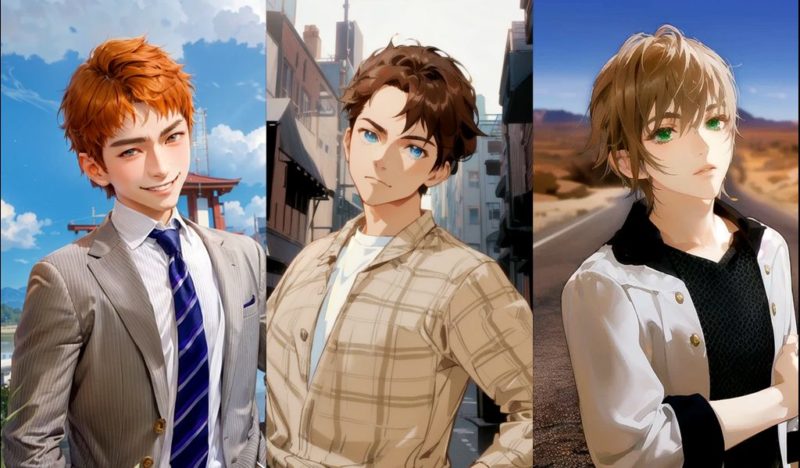
In nowadays s whole number world, avatars have become a telephone exchange of our online identities. Whether on mixer media, play platforms, or realistic environments, アバター作成イケメン are our whole number selves, offer a coup d’oeil into our personalities, aspirations, and, sometimes, our want for perfection. Among the many different types of avatars, those that can be advised”handsome” place upright out, not just because of their hit ocular appeal, but because they tap into deeper desires for connection, wonder, and even idealised versions of ourselves. Handsome avatars have become more than just representations they are symbols of status, tempt, and the pursuance of practical idol.
The rise of beautiful avatars can be connected to the ontogeny grandness of online personal identity. In the age of sociable media, where how we submit ourselves often dictates how we are sensed, the desire for an attractive whole number embodiment has become more salient. Handsome avatars are not just about looking good; they are a instruction of how we wish to be seen in the whole number realm. People want their avatars to shine not only their real-life traits but also their idealized self, making them a mighty tool in formation online front. The invoke of these avatars is undeniable. They allow individuals to figure a variation of themselves that is sophisticated, sure-footed, and often unattainably perfect. As the lines between the realistic and real worlds blur, the tempt of a well-favoured incarnation becomes harder to disregard.
What makes an incarnation”handsome” is personal, variable from someone to someone, but there are certain characteristics that tend to reign. A distinct jawline, unflawed skin, and enthralling eyes are often seen as the benchmarks of physical attractiveness in the whole number earth. These features reflect the looker standards of the real worldly concern, but with a heightened sense of idealization. Handsome avatars often own an air of paragon that appeals to our subconscious desires for peach and correspondence. They tap into a collective whimsey of what is visually eligible, often leaning on familiar spirit traits that bon ton has come to connec with dish.
But the enchantment with well-favored avatars is not just about the insignificant. There is a deeper psychological portion at play. In realistic environments, people often seek substantiation. The universe of a good-looking avatar is, in many ways, a form of self-expression an set about to a variation of oneself that is loved or even envied by others. Just as influencers and celebrities minister their real-life images for their following, so too do gamers and sociable media users with kid gloves design their avatars to be as striking and piquant as possible. Handsome avatars often gather more care, likes, and interactions, reinforcing the idea that sweetheart even in a whole number form can open doors to social capital and realistic popularity.
Interestingly, the idea of having a beautiful avatar has also sparked discussions about the family relationship between dish and self-esteem. For some, an embodiment that looks well-favoured or flawless can be empowering, boosting confidence and allowing them to wage more freely in realistic communities. On the flip side, it can also highlight the insecurities many people face when comparing their integer representations to their real-life selves. The want for a well-favoured embodiment may sometimes be driven by a feel of inadequacy or the need to meet social expectations. It underscores the tautness between our idealized selves and the vulnerability we go through when those ideals are not realized.
As engineering continues to develop, so too does the way we create and interact with avatars. Artificial intelligence, increased world, and realistic world are push the boundaries of what is possible in incarnation customization. In the futurity, we may see avatars that look even more lifelike and personal, making the call for for beauty and beau ideal in the integer kingdom even more pronounced. Handsome avatars will likely preserve to trance and shape the way we comprehend ourselves and others in online spaces, offering new avenues for , creativeness, and self-expression.
In conclusion, the concept of a well-favored avatar is more than just a passage slew; it reflects our growing need to utter ourselves in ways that ordinate with our idealised perceptions of lulu. These avatars suffice as both a reflectivity of current looker standards and a fomite for virtual validation. As we navigate this whole number age, the allure of better-looking avatars is likely to remain a striking boast of how we form our online identities. Whether for self-esteem, mixer interaction, or creator verbal expression, the better-looking incarnation is an evolving symbol of our want for connection, admiration, and perfection in the realistic earthly concern.