
If you’re searching for a used chevy Ls1 engine for sale, the best choice depends on your vehicle, performance goals, budget, and how much rebuilding you plan to do. The Chevrolet LS1 is a 5.7L Gen III small-block V8 known for its compact design, aluminum construction, strong aftermarket support, and suitability for street, swap, and performance applications.
A used LS1 can be an attractive starting point for a project because buyers can choose between a running take-out engine, a tested used assembly, or a core intended for rebuilding. The key is matching the engine’s condition and specifications to your build rather than buying based on price alone.
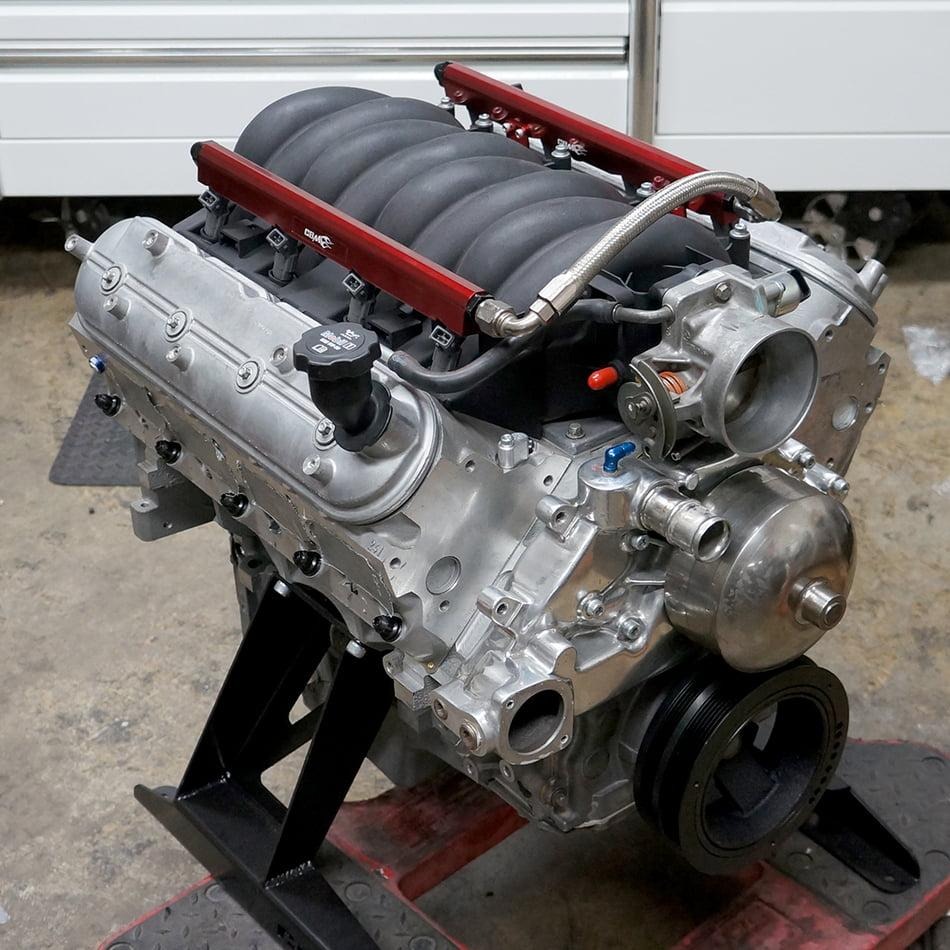
Why Consider a Used Chevy LS1 Engine?
The LS1 became popular in Chevrolet performance applications during the late 1990s and 2000s. Its 5.7-liter displacement provides a useful foundation for everything from mild street builds to more extensively modified projects.
For a buyer considering a used chevy Ls1 engine for sale, several characteristics deserve attention:
- 5.7L V8 displacement for strong street performance potential
- Aluminum engine construction that can help reduce weight
- Broad availability of replacement and performance components
- Numerous factory applications and interchange considerations
- Compatibility with a wide range of aftermarket upgrades
- Availability of complete engines and rebuildable cores
However, not every LS1 is identical. Engine year, original application, ECU strategy, accessories, intake, exhaust components, and sensor configuration can affect how easily an engine fits a particular project.
Performance Build Options for an LS1
One reason enthusiasts continue looking for a used chevy Ls1 engine for sale is the flexibility of the platform. Your ideal configuration depends on whether you’re building a reliable cruiser, weekend performance car, track project, or engine swap.
1. Mild Street Build
A relatively conservative LS1 build can focus on reliability and drivability. A healthy stock long block can be paired with appropriate supporting components rather than immediately opening the engine.
Potential upgrades include:
- Intake and throttle-body improvements
- Headers and a suitable exhaust system
- Camshaft selected for street use
- Proper ECU calibration
- Cooling-system upgrades
- Appropriate fuel-system components
The objective is to create a responsive engine while retaining practical street characteristics.
2. Naturally Aspirated Performance Build
For a more serious naturally aspirated project, buyers may consider internal and valvetrain upgrades. The exact parts should be selected as a complete combination rather than independently.
A build may involve:
- Performance camshaft
- Valve springs and retainers
- Appropriate pushrods
- Intake manifold
- Exhaust headers
- Fuel injectors
- ECU tuning
- Supporting oiling and cooling components
Before purchasing a used engine, determine whether the original rotating assembly is suitable for the intended modifications.
3. Forced-Induction Project
An LS1 can also serve as the foundation for a turbocharged or supercharged project, but forced induction increases the importance of engine condition and supporting hardware.
Before adding boost, inspect the engine carefully. Compression and leak-down testing can help identify potential problems, while measurements of bearing condition, cylinder wear, and crankshaft condition become especially important if the engine will be rebuilt.
A used engine with unknown history should not automatically be treated as ready for high-output use.
What Should You Check Before Buying?
The condition of a used engine matters more than its appearance. A clean exterior does not prove that the internal components are healthy.
| Inspection Area | What to Check |
| Engine identification | Casting, application, and identifying numbers |
| Compression | Consistency between cylinders |
| Leak-down | Evidence of valve, ring, or sealing problems |
| Oil | Metal particles, coolant contamination, unusual deposits |
| Coolant passages | Rust, contamination, or signs of overheating |
| Cylinder walls | Scoring, excessive wear, or corrosion |
| Crankshaft | Journal condition and damage |
| Valvetrain | Wear, bent components, and abnormal play |
| External damage | Broken mounts, sensors, covers, or accessories |
| History | Donor vehicle, mileage, testing, and storage conditions |
If the seller provides test results, ask when the testing was performed and whether the engine was tested while warm or cold.
Complete Engine or Long Block?
Your build plan should determine what you purchase.
A complete engine may include components such as the intake, throttle body, injectors, ignition components, accessories, sensors, and wiring. This can simplify a swap when the included components match your application.
A long block generally gives you the major internal engine assembly but may require you to source additional external components.
A bare or rebuildable core can be appropriate when you intend to replace or machine significant components. It may have a lower purchase price, but the final cost can increase substantially after machining and replacement parts.
Quick Comparison
| Option | Best For | Main Consideration |
| Tested complete engine | Faster swaps | Verify included components |
| Used long block | Custom builds | Budget for external parts |
| Rebuildable core | Performance rebuilds | Machine-shop costs |
| Low-mileage take-out | Stock-style projects | Verify mileage and history |
How to Match an LS1 to Your Vehicle
Engine compatibility involves more than displacement.
Before purchasing, compare:
- Original vehicle and model year
- Engine configuration
- Transmission compatibility
- ECU and wiring requirements
- Accessory-drive arrangement
- Oil-pan and clearance requirements
- Exhaust and intake configuration
- Fuel-system requirements
- Mounting provisions
- Emissions requirements where applicable
This is particularly important for engine swaps. An engine that physically fits may still require changes to electronics, accessories, cooling, exhaust, and fuel systems.
Where Can You Find a Used Chevy LS1 Engine?
When evaluating a used chevy Ls1 engine for sale, look beyond the headline price. A reputable used-engine source should be able to provide meaningful information about the engine’s origin and condition.
Ask the seller:
- What vehicle did the engine come from?
- What mileage was recorded?
- Was the engine running before removal?
- Has compression been tested?
- Are test results available?
- What components are included?
- Has the engine been rebuilt or modified?
- What warranty or return terms apply?
Clear answers to these questions make it easier to compare different listings.
How Much Should You Budget?
The purchase price is only one part of an engine-build budget. Installation, fluids, gaskets, sensors, wiring, ECU tuning, exhaust work, cooling upgrades, and unexpected repairs can all affect the final cost.
For a performance project, it is sensible to reserve part of the budget for inspection and preventive replacement rather than spending the entire amount on the engine itself.
Is the LS1 a good engine for a performance build?
Yes, the LS1 can provide a practical foundation for various performance projects. The appropriate approach depends on the engine’s condition and the desired power level.
How much horsepower can an LS1 make?
Power output varies considerably with displacement, compression, camshaft, cylinder heads, intake, exhaust, tuning, and forced induction. There is no single horsepower figure that applies to every LS1 build.
Is a used LS1 worth buying?
A used LS1 can make sense when its condition, specifications, and price match the project. Testing and verification are important before purchase.
What should I inspect on a used LS1?
Check identification, compression, leak-down results, oil condition, cylinder walls, crankshaft condition, valvetrain, and evidence of overheating or physical damage.
Can an LS1 be used for an engine swap?
Yes, LS1 engines have been used in many custom swap projects, but compatibility with mounts, electronics, accessories, transmission, cooling, exhaust, and fuel systems must be considered.
Should I buy a complete LS1 or a long block?
A complete engine may simplify installation, while a long block can make sense when you already have compatible accessories or plan a customized build.
FAQs
What is an LS1?
The LS1 is a 5.7-liter Gen III Chevrolet small-block V8. It uses an aluminum engine design and became widely associated with Chevrolet performance applications.
Is every used LS1 interchangeable?
No. Differences in application, electronics, accessories, oil pans, sensors, and related components can affect interchangeability.
Should I rebuild a used LS1?
Rebuilding can be worthwhile when inspection shows wear or when the engine is being prepared for a demanding performance application. The decision should be based on measurements and the intended power level.
What mileage is acceptable for a used LS1?
Mileage alone does not determine engine condition. Maintenance history, operating conditions, testing, and storage can be equally important.
Do I need ECU tuning after modifications?
Many performance modifications can require calibration changes. The correct tuning strategy depends on the hardware combination and vehicle electronics.
Can I use an LS1 for a daily driver?
A properly matched and maintained LS1 can be suitable for a street-driven project. Aggressive modifications may affect drivability, fuel economy, emissions compliance, and maintenance requirements.