
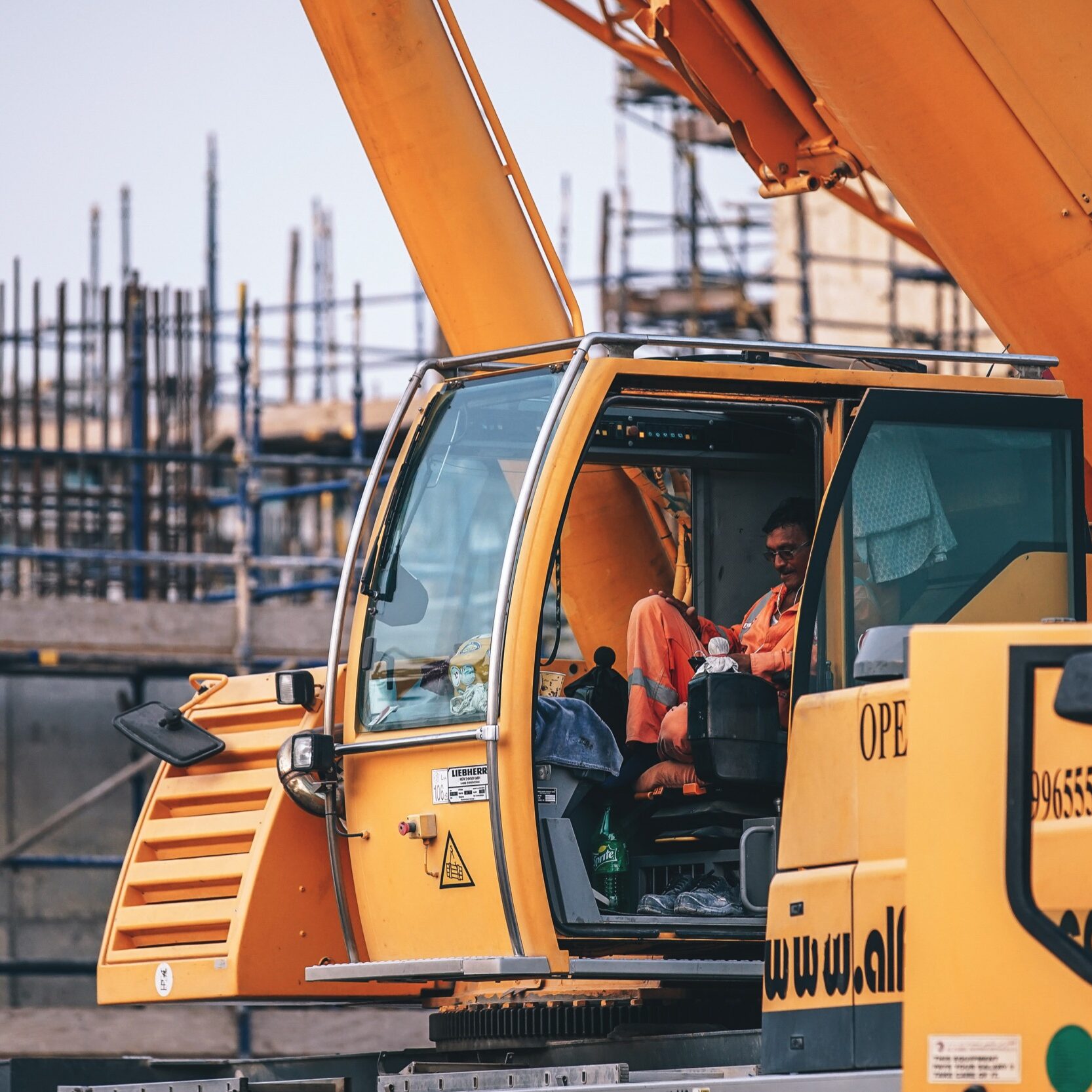
In today’s competitive business landscape, companies are constantly seeking ways to optimize cash flow and maintain liquidity without sacrificing their core operations. One increasingly popular solution to achieve this is equipment sale-leaseback financing. This arrangement allows businesses to unlock the value of their owned equipment while still retaining the use of it, thus boosting cash flow in the short term without losing operational capacity.
What is Equipment Sale-Leaseback Financing?
An equipment sale-leaseback is a financial arrangement in which a business sells its equipment to a lender or investor, and then leases it back for continued use. This transaction allows the company to immediately free up cash by converting the asset into liquidity while retaining the equipment necessary for daily operations. Essentially, the business "sells" its equipment and then enters into a lease agreement to rent it back over a specified period.
The Benefits of Sale-Leaseback Financing
1. Immediate Cash Injection The primary advantage of a sale-leaseback transaction is the immediate cash infusion a business receives. By selling equipment, companies can generate liquidity that can be directed toward urgent business needs such as expanding operations, covering short-term debts, or funding growth initiatives. This is particularly beneficial for businesses that are cash-strapped but do not want to relinquish critical assets like machinery, vehicles, or technology.
2. Retaining Equipment Use While the business sells its equipment, it does not lose access to it. Through the leaseback agreement, the company continues to use the asset just as it did before, with no disruption to operations. The only change is the financial structure — instead of owning the equipment outright, the company makes regular lease payments to the new owner.
3. Flexibility in Lease Terms equipment sale and leaseback agreements offer significant flexibility in terms of lease duration, payment structure, and other key aspects. Depending on the business's financial situation and needs, they can negotiate lease terms that align with their budget. Whether it’s a long-term or short-term lease, sale-leaseback transactions can be customized to suit a company’s cash flow requirements.
4. Off-Balance-Sheet Financing In some cases, equipment sale-leaseback transactions can be considered off-balance-sheet financing, meaning the liability for the lease payments does not appear on the company’s balance sheet. This can help improve financial ratios such as the debt-to-equity ratio, making the company appear more financially stable to investors and lenders.
5. Tax Benefits Lease payments made under a sale-leaseback arrangement are often tax-deductible, as they are classified as operational expenses. This can provide businesses with a potential tax break, making the leaseback an even more attractive financing option. The tax savings can, in turn, provide additional financial relief and improve the overall cash flow position of the business.
Who Should Consider Equipment Sale-Leaseback Financing?
Sale-leaseback financing can be a particularly useful strategy for businesses that own valuable equipment but are facing liquidity constraints. Industries that typically benefit from this arrangement include manufacturing, construction, transportation, and technology sectors — where businesses rely heavily on specialized equipment or machinery.
For companies looking to unlock cash flow without taking on additional debt or equity financing, an equipment sale-leaseback can provide the necessary capital to meet financial goals without the burden of ownership.
Conclusion
Equipment sale-leaseback financing offers businesses a unique opportunity to convert owned assets into liquid capital while still maintaining their operational capacity. It can help companies improve cash flow, avoid debt, and take advantage of tax deductions. By leveraging the value of equipment, businesses can make strategic investments, bridge gaps in liquidity, and position themselves for future growth. With flexible terms and minimal operational disruption, sale-leaseback financing is a valuable tool for businesses looking to optimize their financial flexibility.