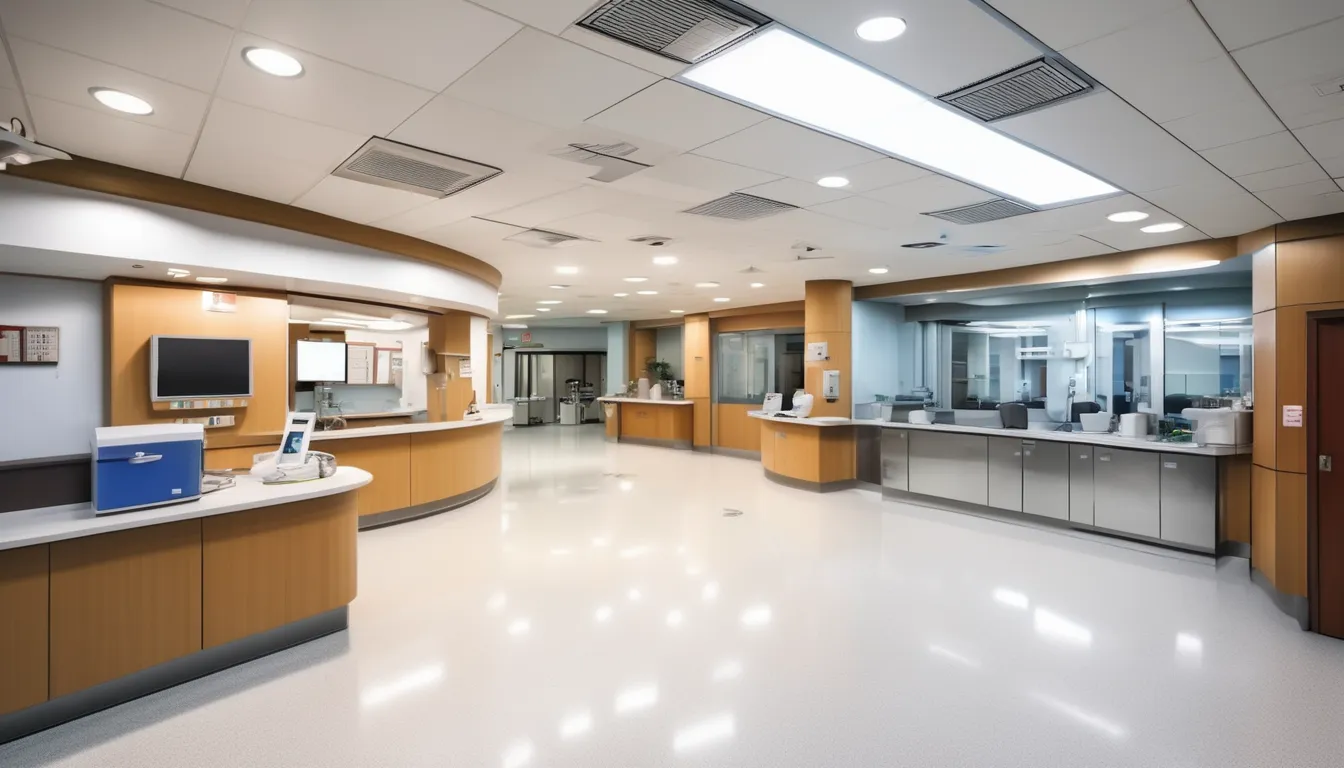
Medical and wellness education plays an obligatory role in shaping the health and well-being of individuals, families, and communities across the world. It is the founding for developing adequate healthcare professionals and ensuring that individuals empathize the importance of preventive care, treatment, and the maintenance of overall health. With the incorporative complexness of medical checkup skill, healthcare systems, and the ontogenesis concerns about world-wide wellness issues, the need for robust education in this domain has never been more indispensable.
In its most fundamental frequency form, health chec training trains health care professionals, including doctors, nurses, pharmacists, and related health workers, to provide competent care. It ensures they have a deep understanding of the human being body, diseases, treatments, and the latest advances in medical examination engineering science. However, it is not express to producing hot professionals alone; medical examination education also aims to instill qualities such as , , and ethical -making. These qualities are necessary in delivering patient role-centered care and promoting trust between health care providers and patients.
Health education, on the other hand, focuses on arming individuals with the cognition and skills necessary to exert and ameliorate their wellness. Unlike medical breeding, which is more convergent on professionals, wellness education aims at empowering people at all levels to make informed decisions regarding their health. Topics in wellness training straddle from understanding alimentation, exercise, and mental health to encyclopedism about the prevention of prolonged diseases such as and heart . By dispersive information on preventive health care practices, health breeding importantly reduces the charge on healthcare systems by encouraging healthier lifestyles.
One of the most considerable aspects of both medical exam and health training is their role in prevention. Medical and wellness training initiatives have shown to lessen the prevalence of many preventable diseases, particularly through vaccination programs, wellness campaigns, and world awareness initiatives. Through these learning platforms, individuals can better sympathise how to palliate risks, adopt healthier habits, and seek medical checkup tending when necessary. For exemplify, wellness breeding campaigns regarding the dangers of smoking and the benefits of exercise have led to a marked simplification in the incidence of lung cancer and vessel diseases.
Furthermore, the organic evolution of checkup breeding has seen an progressive vehemence on digital wellness and telemedicine. As engineering science advances, medical examination professionals must be genius at utilizing digital tools, natural philosophy health records, and telehealth systems to ameliorate patient role care and streamline body processes. This shift also extends to wellness training, where digital platforms and mixer media are now essential tools for spreading Workplace First Aid Salford entropy. Online courses, webinars, and realistic consultations are transforming how both medical checkup and health training are delivered, providing accessibility to a broader audience and bridging gaps in underserved areas.
A substantial challenge in both checkup and health breeding is ensuring and availableness for all. In many parts of the world, there corpse a deficit of trained healthcare professionals, and access to timber wellness breeding is limited, particularly in geographical area or impoverished communities. Efforts to spread out medical education programs, volunteer scholarships, and implement community-based eruditeness initiatives are necessity to addressing these disparities. Additionally, health education must be culturally in hand and tailored to the particular needs of different populations to be effective. Health literacy varies wide, and educators must set about teaching in a way that resonates with diverse communities.
Ultimately, the grandness of both medical examination and health training cannot be overstated. As the world grapples with challenges such as pandemics, ageing populations, and rising health care costs, these Fields ply the substance to turn to some of the most press issues of our time. A well-educated health care work force and an privy public are material to building a better, more sustainable time to come for everyone. Through continued investment in education and innovation, we can check that healthcare systems stay on responsive, effective, and open of merging the different needs of all individuals.